NeuroHomes: Housing designed by Neurodivergent people, for Neurodivergent people.
The NeuroHomes mission statement is “developing affordable permanent supportive housing that is designed and governed by and for neurodivergent adults and their families in rural communities historically excluded from supportive housing and therapeutic systems.”
NeuroHomes is building affordable, community-integrated housing in rural Washington and Oregon, with flat $300/month rent, subsistence agriculture, and governance structures where Neurodivergent people hold real authority at every level.
We are an early-stage organization with a capital strategy, a legal structure, and a development timeline, actively building toward our first site in Wahkiakum County, Washington with plans to expand to Clatsop County, Oregon.
NeuroHomes is organized as a hybrid nonprofit and social purpose corporation. Our all-Neurodivergent Board of Directors governs the Foundation and our residents will govern their communities.
Read our latest Blog posts:
- A National Movement Is Taking Shape, and NeuroHomes Is Part of ItSomething is changing in the way this country thinks about housing for neurodivergent and disabled adults. This week, Disability Scoop reported on the quiet but growing emergence of neuroinclusive neighborhoods across the United States, communities where people with intellectual and developmental disabilities (IDD) live in their own homes, alongside neurotypical neighbors who have chosen toContinue reading “A National Movement Is Taking Shape, and NeuroHomes Is Part of It”
- Color the Coast 2026A Day of Joy and Connection: Color the Coast 2026 What an incredible day at Fort Stevens State Park! Yesterday, April 11th, we gathered for the Color the Coast for Autism 5K Fun Run, and the energy was absolutely electric. Beyond the bright colors and the fresh coastal air, it was a landmark day forContinue reading “Color the Coast 2026”
- When There Is No Door to OpenA Texas mother watches her son deteriorate in a county jail. He has the cognitive capacity of a child. He has not been convicted of anything, and he is waiting for a bed that may not come for another year. Shawn Fraraccio is 26 years old. He has an intellectual disability. He has been sittingContinue reading “When There Is No Door to Open”
- Autistics experiencing homelessnessAutistic people are dramatically overrepresented in homeless populations by at least 6 times the general population rate, and by some estimates considerably more. Research screening homeless outreach caseloads found 12.3% met DSM-5 autism criteria, against a general population prevalence of roughly 1-2%. A 2022 systematic review spanning 17 studies found prevalence estimates of autistic traitsContinue reading “Autistics experiencing homelessness”
- Who Gets to Be “Neurodivergent”? Why the Answer Matters for HousingThe word “neurodivergent” is having a cultural moment. Elon Musk invokes it to describe his autism. Nicki Minaj recently used it on social media to align herself with Musk’s vision of neurodivergent people as a vanguard of intellectual and economic power. Alex Karp, CEO of Palantir, declared that “the future is neurodivergent.” These are notContinue reading “Who Gets to Be “Neurodivergent”? Why the Answer Matters for Housing”
What We Do
There is a predictable reason Neurodivergent adults are overrepresented in homelessness at 6 to 18 times their share of the general population. The systems designed to house people were not designed with Neurodivergent people at the table. NeuroHomes corrects that systemic design failure.
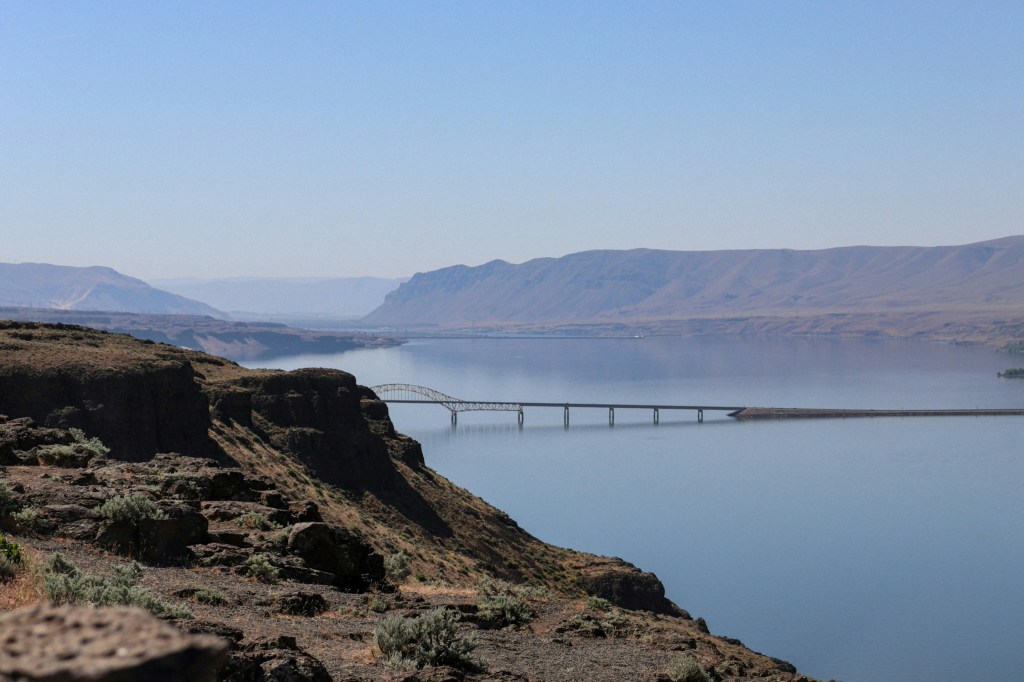
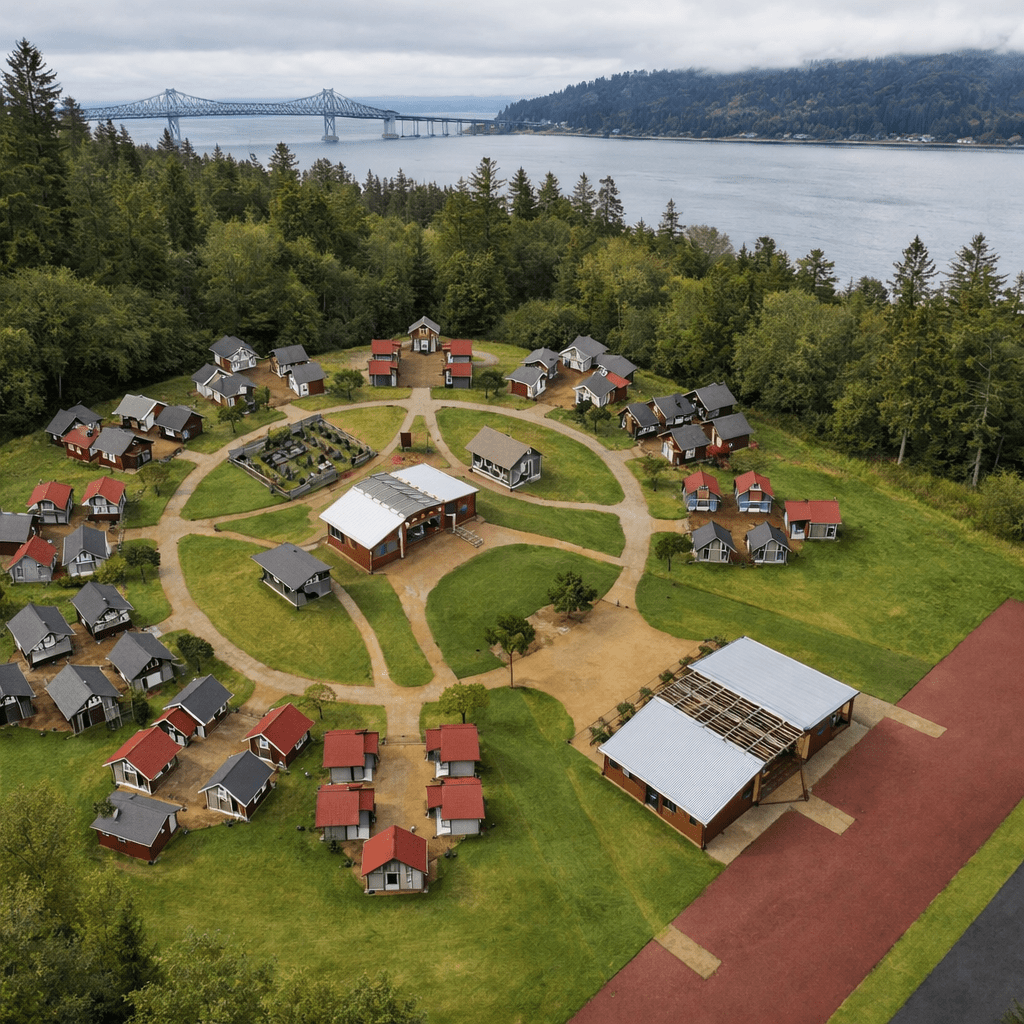
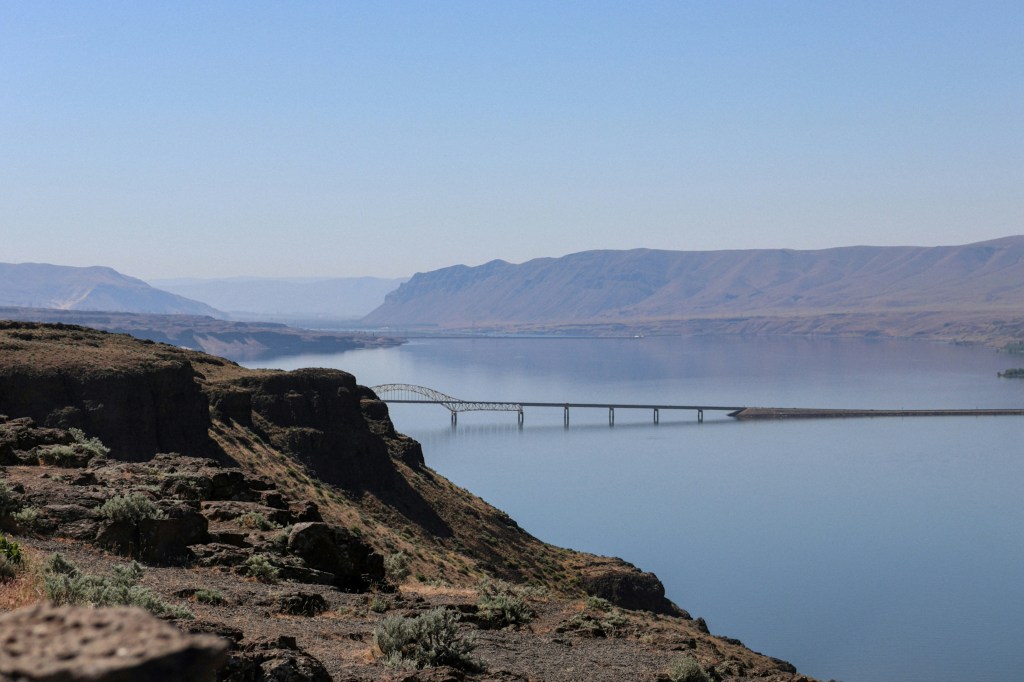
We are building clustered small-unit housing communities on rural land, beginning in Wahkiakum County, Washington, part of the Columbia River Corridor connecting Cathlamet, Washington, and Astoria, Oregon. Each site includes:
Housing. 400–600 sq ft private units with individual outdoor space. Sensory-informed design: acoustic treatment, reduced visual clutter, adjustable lighting, clear wayfinding. Flat $300/month rent with no income verification, no bureaucratic complexity, compatible with SSI and SSDI.
Services, built in. Each campus is paired from the start with an on-site neuro-affirming services hub, delivered by NeuroBloom Center under a formal partnership: counseling, speech and communication support, adaptive fitness and a sensory gym, holistic wellness care, and a community cafe.
Governance. Resident Councils hold real decision-making authority over community rules, shared space, and staffing recommendations, governing their communities and participating civically.
Peer-Led Support. Navigation support for benefits, healthcare, and government systems. Compensated peer support network. Weekly community planning with rotating facilitation. Connection to workforce development for residents who want it. NeuroHomes is not a clinical facility; residents are tenants with full tenancy rights.
Resident tools in development. NeuroHomes is developing a Life Skills App and a My Money App for resident use, supporting daily living skills and financial independence.
Future potential. Subsistence agriculture and a NeuroHoney product line remain part of NeuroHomes’ longer-term vision for resident-led enterprise and self-sufficiency. Both are shelved for now and are not part of the current funding ask or operating plan.
Each site also includes a community lending library stocked with books, videos, and games, seasonal community-building activities throughout the year, and annual retreats for Neurodivergent adults with opportunities for peer networking, belonging, and building lasting friendships within a community of people who understand your experience.
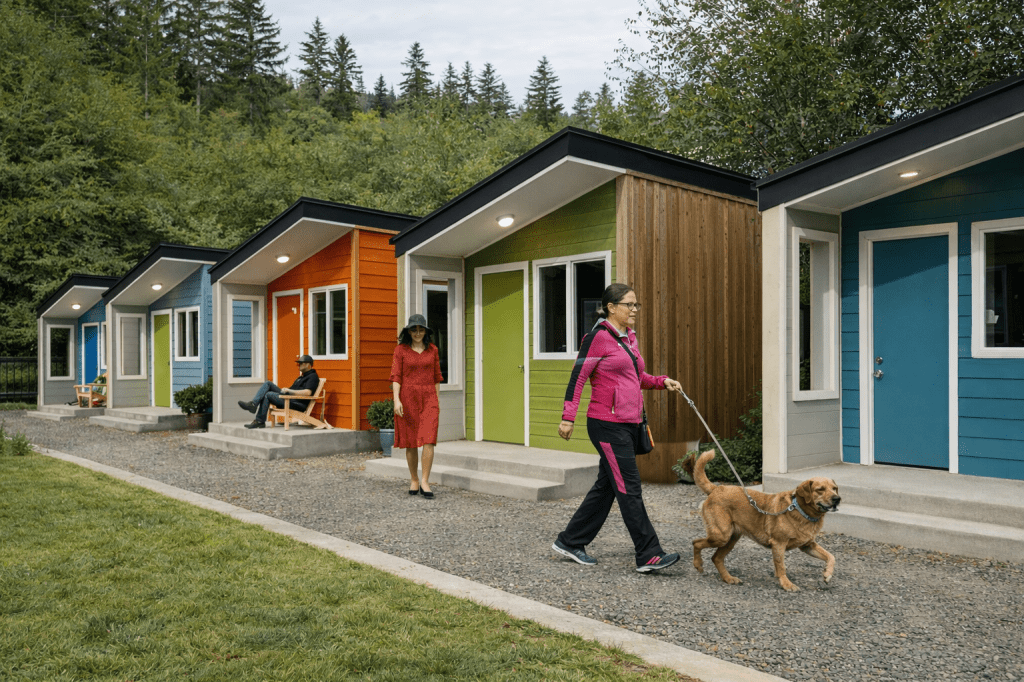
Supportive Services
We provide residents with social interaction, household activities, skill development, guidance, and support in a serene rural and agricultural setting. A therapist will be on site five days a week for individual and group therapy sessions. A live-in residential manager trained in interpersonal communication and human behavior management will also be on site and on call.
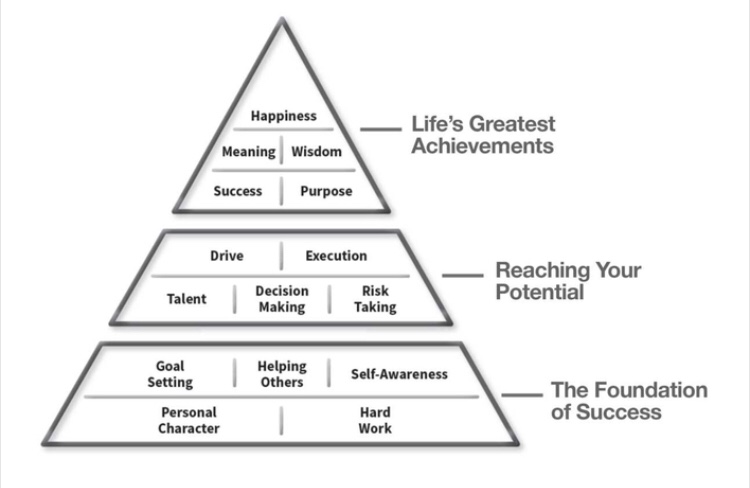
Skills gained by hands on learning methods include social safety, independence, network building, who and how to trust, organization, time management, interdependence within a community, making and keeping friends, mindfulness, recognizing and coping with stress, identifying and expressing emotions, casual conversations, recognizing and interpreting social cues, dating and relationships, levels and aspects of a friendship, social expectations, active listening skills, conflict resolution, and problem solving. All of these will be achieved through interdependent living, group activities, shared responsibilities, and community-building exercises. These will result in increased confidence and self-esteem, and an overall higher quality of life for all of the neurodivergent residents here at NeuroHomes.
Our Organization in Numbers:
The Need
| By Numbers | Impact |
|---|---|
| 12–18% | of people accessing homeless services are Neurodivergent — against a 1–2% general population rate |
| 22–25% | of autistic adults hold any employment |
| 29.75 per 1,000 | Clatsop County, Oregon residents are homeless — the highest per capita rate in the state |
| 1.1 million | new homes Washington State needs over the next 20 years |
| $300/month | flat rent at every NeuroHomes site with no income verification required |
Development Status:
NeuroHomes is in active predevelopment for Phase 1 in Wahkiakum County, Washington. We are:
Advancing a Phase 1 capital application (target: September 21, 2026) after receiving Washington Housing Trust Fund Technical Assistance and Preconstruction funding
Finalizing governance and partnership agreements, including a Memorandum of Understanding with NeuroBloom Center
Securing site control under a letter of intent on a roughly 20-acre parcel on State Route 4 in Cathlamet
Engaging Wahkiakum County and Washington Department of Commerce as government and funding partners
Building out our founding Board of Directors
Phase 1 target: 15 units on approximately 20 acres in Wahkiakum County, Washington. Total development cost approximately $4.8 million, layered across a Washington Housing Trust Fund capital award, CDFI debt, WSHFC land financing, USDA rural multifamily financing, and a Kuni Foundation grant.
Phase 2 (future / on hold): A second campus in Clatsop County, Oregon, remains part of NeuroHomes’ longer-term vision, drawing on Oregon LIFT Rental financing. It is not an active capital pursuit at this time and will be revisited once Phase 1 is built and operating.
Community Voices
What the ND Community Has Been Saying for Years
These responses came in when NeuroHomes was first announced. The demand was immediate and unmistakable, and that hasn’t changed.
What the Neurodiverse community is saying:
“Wow, yeah! This looks great!”
I really think a lot of people who aren’t autistic just assume we have services. There aren’t a services available that actually have autistic oversight. We lack in services in general, plus most of the people who make the policies aren’t a autistic.
P. A.
“It would be very good.”
Sounds Amazing.
D. G. H.
“Recurring theme.”
This concept has been a recurring theme in our community for some time. Some people on Tribe.net suggested it, but it only got as far as an offshoot “virtual tribe” or fantasy.
B. T.
“Humans should continue to grow this way.”
A group of friends not all autistic have been wanting to do this for a long while. I think humans should continue to grow this way. I’d like to live in a forest near water with like minded people creating what we need.
A. P.
“I dream of this place.”
This has been in development in my mind for many years. I dream of this place, especially now as I age.
S. B.
“Can you make a neighborhood so I can get the support I need?.”
I am a young adult with autism. I am married with a family. It feels like there is no support out there for people like me who need an intermediate level of care.
D. A.
“My dream.”
Communal farming and cottaging on not-stolen land with a merry band of queer poly Neurodivergent artists is my dream life.
C. W.
“Omg.”
Something like this would be a dream for me!
C. H.
“The idea has been bouncing around.”
The idea has been bouncing around for years, but you’re the first to be serious about it and make a plan.
D. M.
“Dreamed of such a community.”
I have dreamed of starting such a community.
R. J. W.
How You Can Help
Funding Partners, we are seeking grants, loans, major gifts, and impact investments aligned with our capital strategy. Contact us to discuss fit.
Land Partners Landowners with rural acreage in Clatsop County, Oregon, or Wahkiakum County, Washington, interested in sale, donation, or below-market transfer are invited to reach out.
Government Partners City of Astoria, Clatsop County, and Wahkiakum County officials: we welcome conversation about formal partnership, CDBG consideration, and letters of support.
Organizational Partners: Regional service organizations, behavioral health providers, and housing advocates. Contact us about the referral pipeline and service coordination.
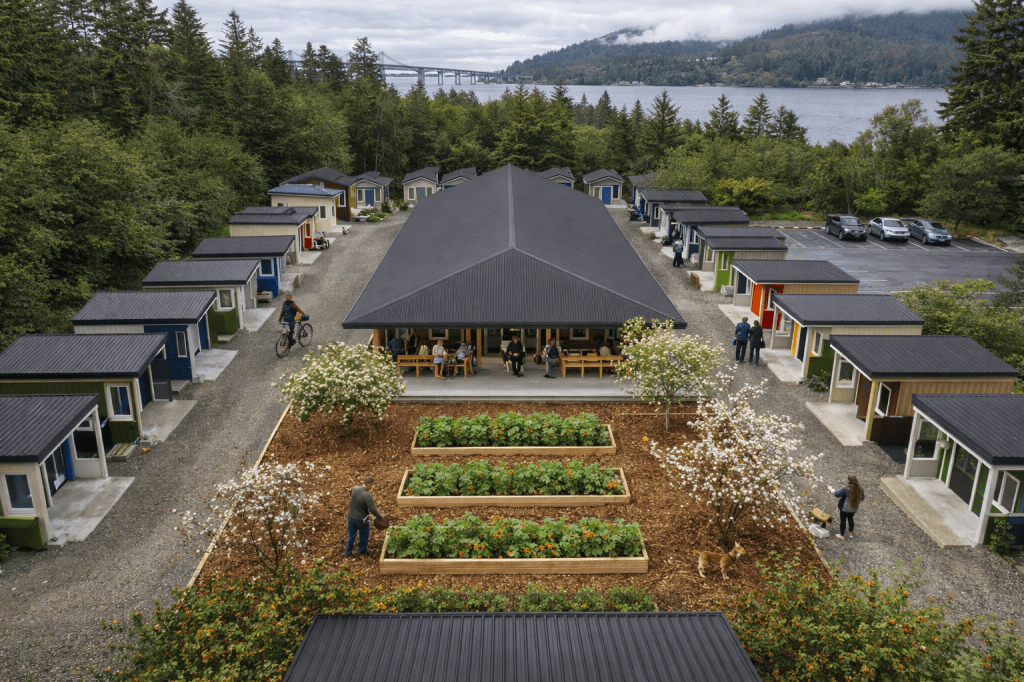
Photo of Astoria bridge by Michaela Zuzula on Unsplash
 NeuroHomes